Praneen grew up near the workshops of old Patan. Bibhushan grew up in Jawalakhel, close to the city and farther from its craft traditions. Project Qala began in the space between those two experiences.
Patan, Nepal
·
8 min read
·
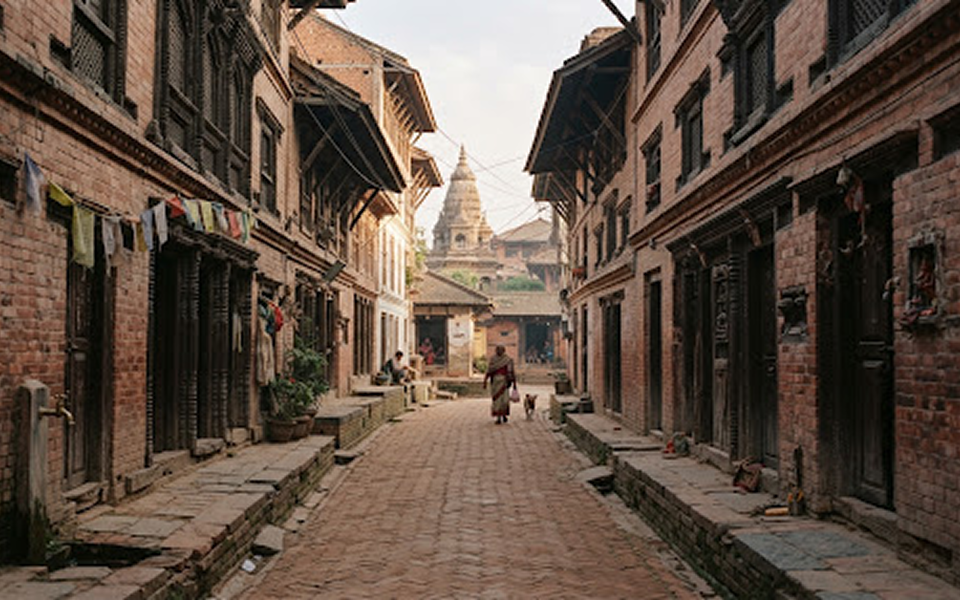
A brick-paved lane in Patan, Lalitpur, lined with the carved wooden windows of the old courtyards.
Chapter I
Two Friends, Two Sides of Patan
Praneen grew up closer to the traditional heart of Patan, where workshops, crafts, and family connections were part of the street outside his door.
Bibhushan grew up in Jawalakhel, on a side of Lalitpur that felt more modern and less directly connected to those workshop traditions.
That difference has always been interesting to us.
Years later, our shared interest in technology, culture, and the city we grew up in brought us back to the same question: how do we better document the people and knowledge behind traditional craft?
Project Qala sits somewhere between those two experiences. It comes from curiosity about the place we grew up in, respect for the people who continue to practice traditional crafts, and the realization that much of the knowledge behind those crafts is still difficult to find, understand, or document properly.
These crafts had always been around us. The workshops, the objects, and the people were familiar, but much of the knowledge behind the work was still hard to find, understand, or keep.
Bibhushan Raj Joshi & Praneen Shakya
Co-founders of Project Qala
Chapter II
How the Idea Started
The city had always kept this work in plain sight, but the stories attached to it were much harder to hold onto once we tried to follow them.
We could recognize metalwork, carving, paintings, ritual objects, and old workshops. But when we tried to understand who made them, how the techniques worked, where certain traditions came from, or how that knowledge was passed on, the information was often scattered.
That felt strange. These crafts had always been around us, but much of the knowledge behind them was still hard to access. That became the starting point for Project Qala.
Chapter III
Where Technology Fits In
We knew how to build tools, but the knowledge we wanted to understand did not behave like software, files, or a tidy system.
Technology makes it easier to record, organize, search, and share information. Traditional craft knowledge often lives in a very different way — in memory, observation, repetition, tools, gestures, family stories, and years of practice.
Project Qala is our attempt to bring those worlds together without losing the human side.
The goal is not to turn craft into a database. It is to use technology to make the people, stories, and knowledge behind the craft easier to discover.
Founders
Two Different Perspectives
One friendship with Patan, and two different ways of standing beside the crafts that grew up around it.
From the courtyards
Praneen Shakya
Co-Founder • Community & Lineage
Based in Patan, Lalitpur
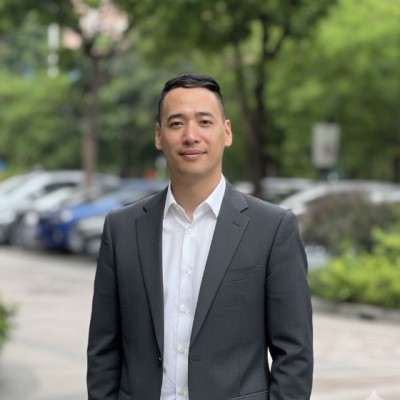
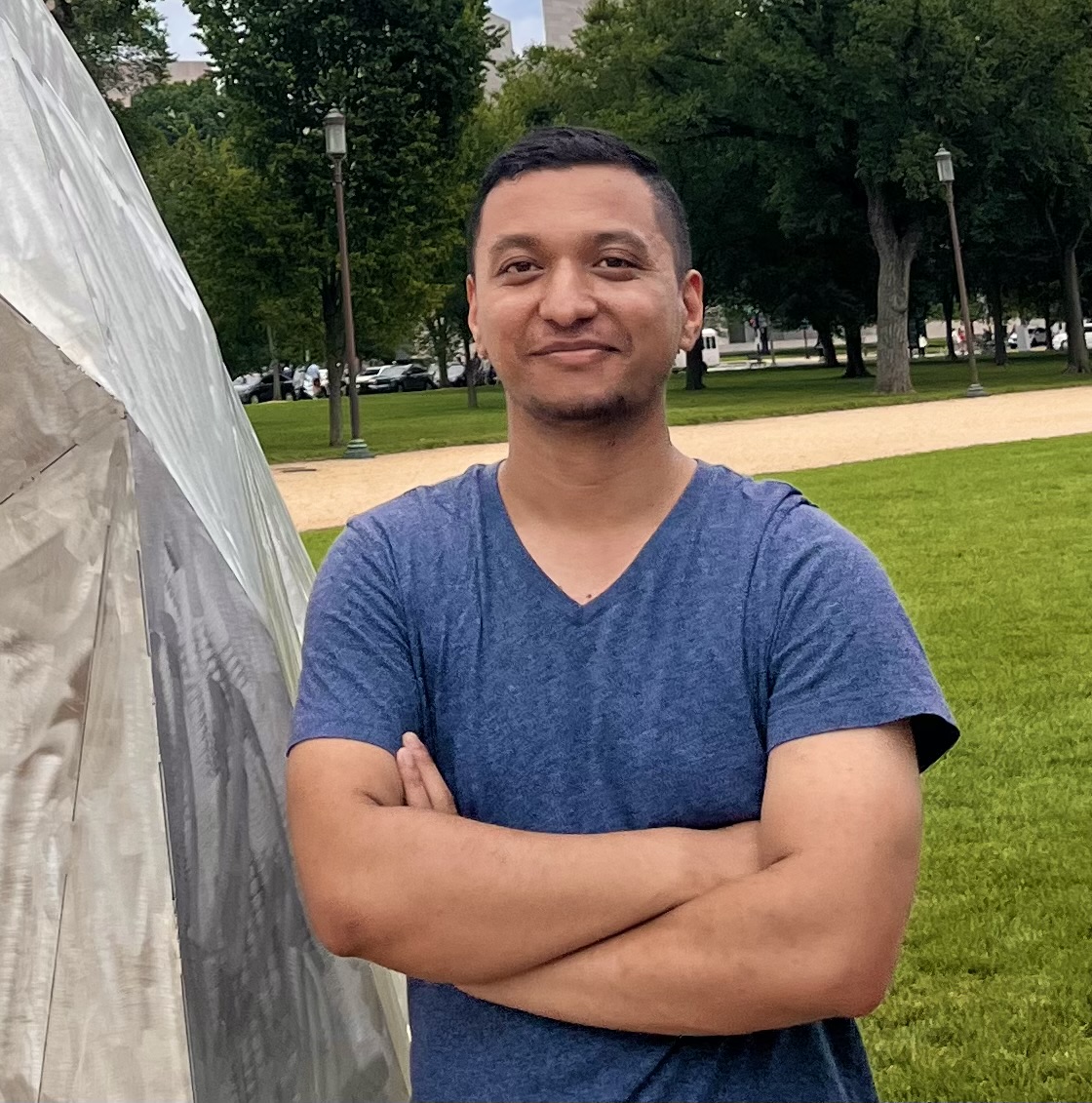
Praneen grew up closer to the traditional heart of Patan and comes from a family connected to artisans and creators. For him, craft was part of the environment around him — workshops, crafts, traditions, family connections, and people who had been making things by hand for years. That gives Qala a perspective grounded in the communities and traditions we want to document.
Upbringing Near the workshops
Near Patan Durbar Square, immersed in historic gallis, bahals, and generational metalcraft workshops.
Place On the ground
Based in Patan, Lalitpur, staying on the ground and sustaining daily relationships with local workshop masters and community elders.
Lineage Newar family
Newar family rooted in artisan and creator lineages, carrying immediate familial connections to living craft culture.
Focus
Grounding documentation in community trust, guild relationships, ethical patronage, and lived tradition.
From a little farther away
Bibhushan Joshi
Co-Founder • Technology & Documentation
Based in Waterloo, Canada
Bibhushan grew up in Jawalakhel in a family of engineers. He was close to Patan, but less connected to its traditional craft world, and despite being Newar, he never became very fluent in Newari. That distance became part of what drew him to Qala. Growing up beside these traditions, then moving abroad, made him more curious about the people, techniques, and stories he had once taken for granted.
Upbringing A modern Lalitpur
Grew up on a more modern side of Lalitpur, surrounded more by engineering and technology than traditional workshop culture.
Place Abroad
Now based in Waterloo, while staying connected to Nepal and rediscovering the culture and craftsmanship of the place he grew up in.
Lineage Still learning
Connected to the culture, but also approaching it with the perspective of someone still learning and rediscovering parts of it.
Focus
Uses technology, research, and documentation to help make traditional craft knowledge easier to discover, understand, and share.
Chapter IV
Our Principles
01
Start with the person
An object is easier to admire than to understand. We begin with the maker, the family, and the place, then let the work explain itself through them.
02
Keep the knowledge with the practice
Technique lives in memory, tools, repetition, and years of watching someone else work. Documentation should follow that, not flatten it.
03
Use technology without replacing people
Recording, search, and sharing are useful only if they make the people and stories easier to find. The archive is a way to listen, not a substitute for the workshop.
Continue the documentation
Walk the Courtyards With Us
If you know a workshop, a family, or a technique that should be understood more carefully, we would like to hear about it.